



Auschwitz vs. Salt Mine: If You Only Have One Day, Which Should You Choose?
If you've only got one day in Krakow, you'll probably find yourself asking the same question as thousands of other visitors: Should you visit Auschwitz-Birkenau or the Wieliczka Salt Mine? It's not an easy decision. Both are UNESCO World Heritage Sites, both are among the most popular day trips from the city, and both offer experiences you'll remember long after your trip is over. But that's where the similarities end.
Auschwitz-Birkenau is a place of remembrance and reflection, telling the story of one of history's darkest chapters. The Wieliczka Salt Mine, meanwhile, takes you deep underground to discover an extraordinary world shaped by centuries of mining, craftsmanship, and engineering. In this guide, we'll compare both — from the experience and atmosphere to the time involved and who each tour is best suited for — so you can decide which one deserves a place on your Krakow itinerary.
What makes Auschwitz so important?
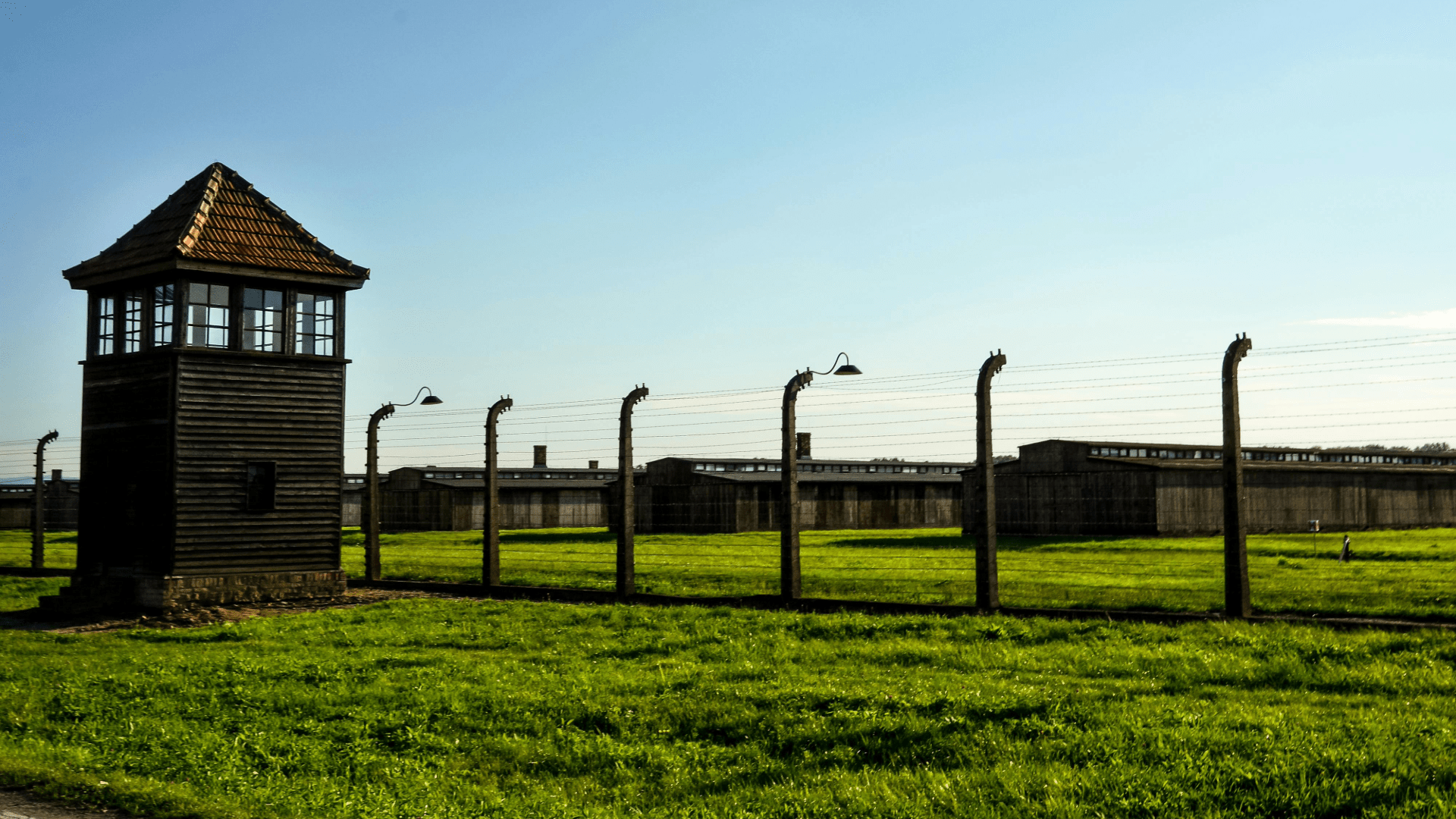
Auschwitz-Birkenau is one of the most visited attractions in Poland, but calling it a tourist destination never feels quite right. This is one of the world's most significant memorial sites — a place where history isn't displayed behind glass but preserved exactly where it happened. The Auschwitz Museum describes the complex as the largest German Nazi concentration camp and extermination centre, where more than 1.1 million people lost their lives during the Second World War. Today, it's recognised as a UNESCO World Heritage Site and stands as a powerful reminder of the consequences of hatred, intolerance, and discrimination.
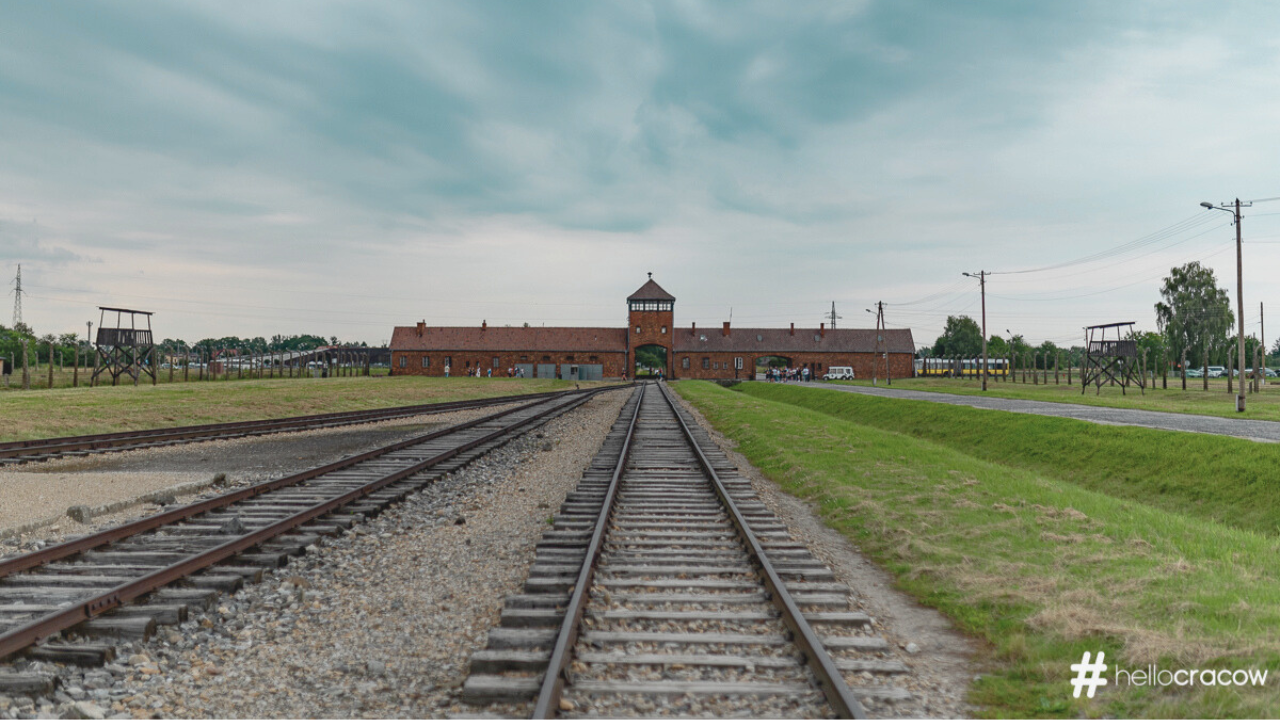
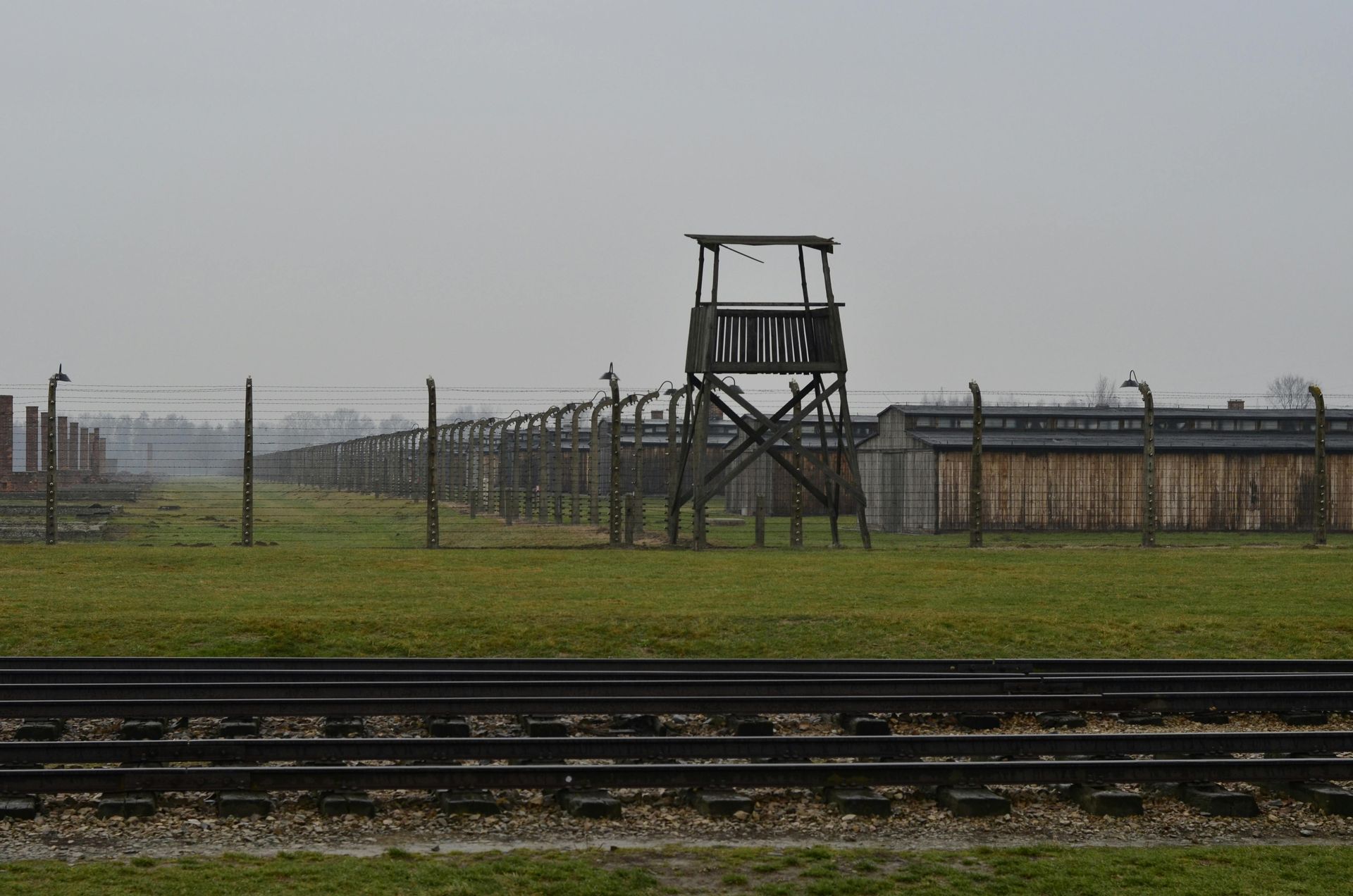
What makes visits here so different from any other museum is its authenticity. As you walk through the original brick barracks of Auschwitz I, stand beside the railway tracks leading into Birkenau, or look across the vast remains of the gas chambers and crematoria, you're not looking at replicas or reconstructed exhibits. These are the original places where persecution, forced labour, and mass murder took place. That authenticity is what makes the experience so moving. Most visitors arrive expecting to learn about history, but leave talking about how the visit made them feel. It's emotional, thought-provoking, and often difficult — but that's precisely why so many people consider it an essential part of understanding both Poland's history and the events of the Second World War.
Because of the historical significance of the site, we always recommend joining a guided tour rather than visiting on your own. The buildings and artefacts are incredibly powerful on their own, but it's the stories behind them — the lives of individual prisoners, the decisions that shaped the camp, and the wider historical context — that give everything meaning. A knowledgeable guide helps connect those pieces in a way that's difficult to achieve from information boards alone.
Hello Cracow's Auschwitz & Birkenau Fully Guided Tour lasts approximately seven hours and includes return transport from Krakow, entrance tickets, headsets, and a licensed guide who accompanies you through both Auschwitz I and Auschwitz II-Birkenau. Everything is organised in advance, allowing you to focus entirely on the experience rather than the logistics. If your goal is to better understand one of the defining events of the 20th century, Auschwitz-Birkenau is an experience that is likely to stay with you long after you've returned home.
What makes the Wieliczka Salt Mine so unique?
If Auschwitz-Birkenau is a place of remembrance, then the Wieliczka Salt Mine tells a completely different story — one of innovation, craftsmanship, and centuries of human perseverance.
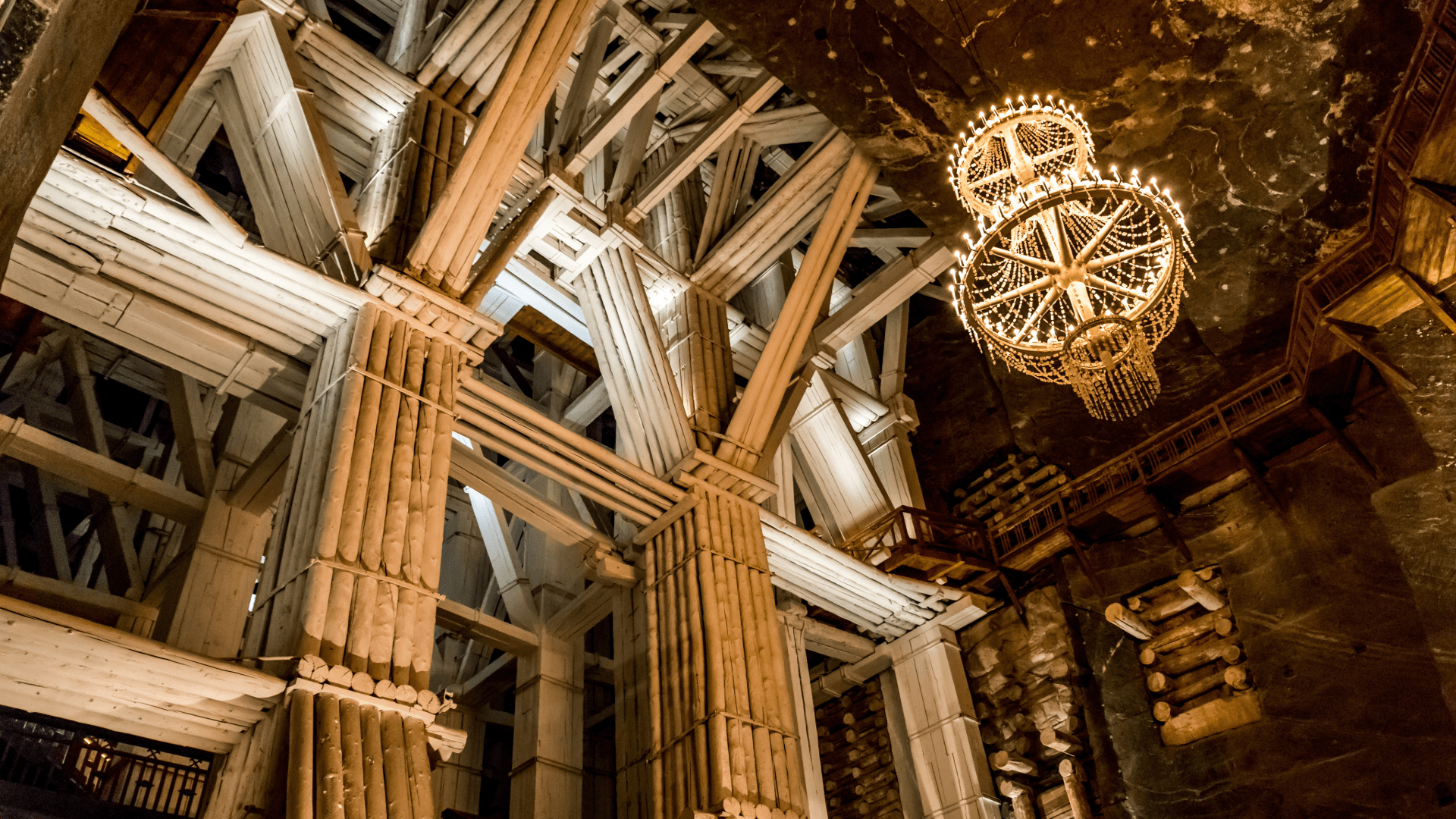
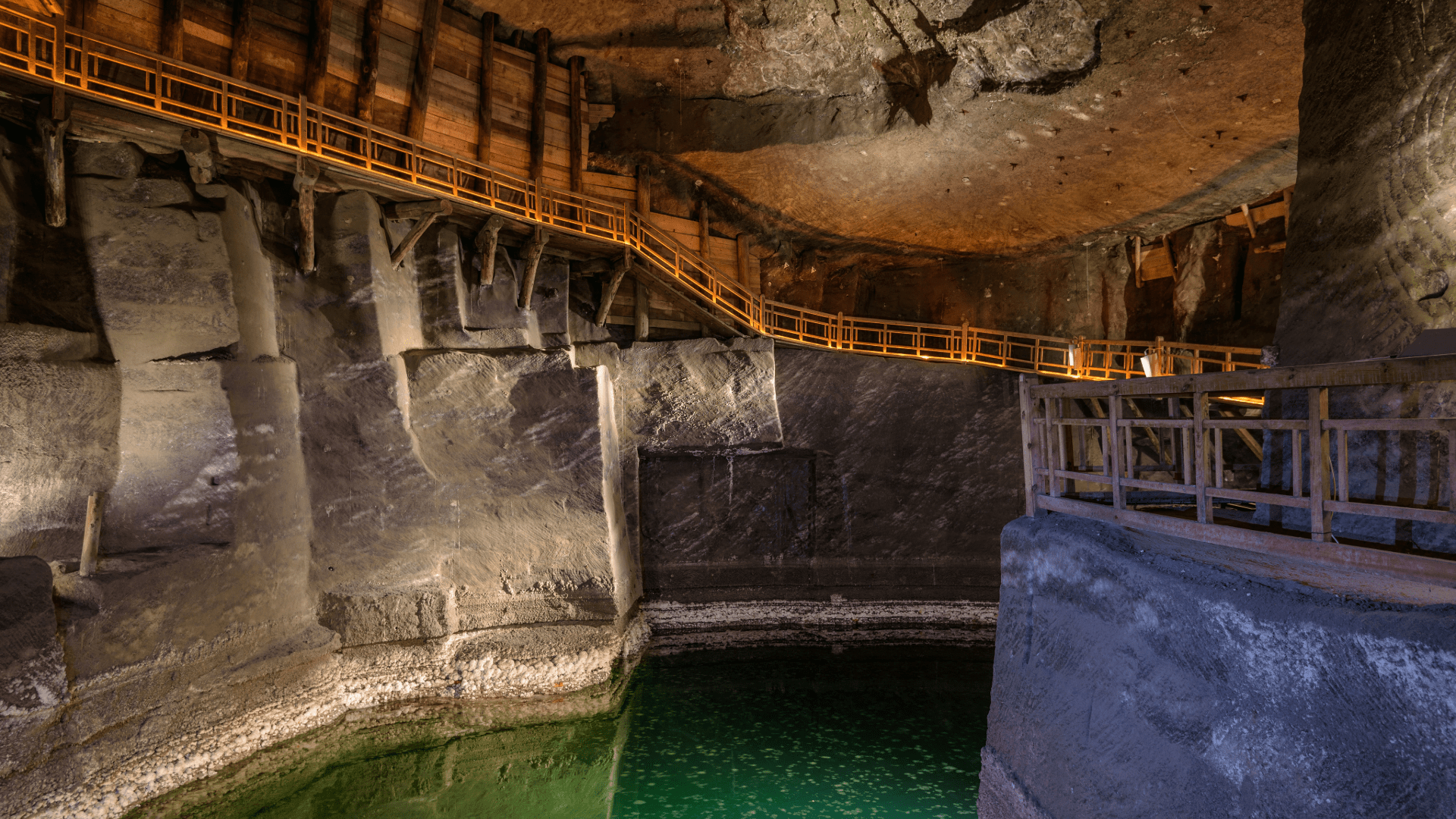
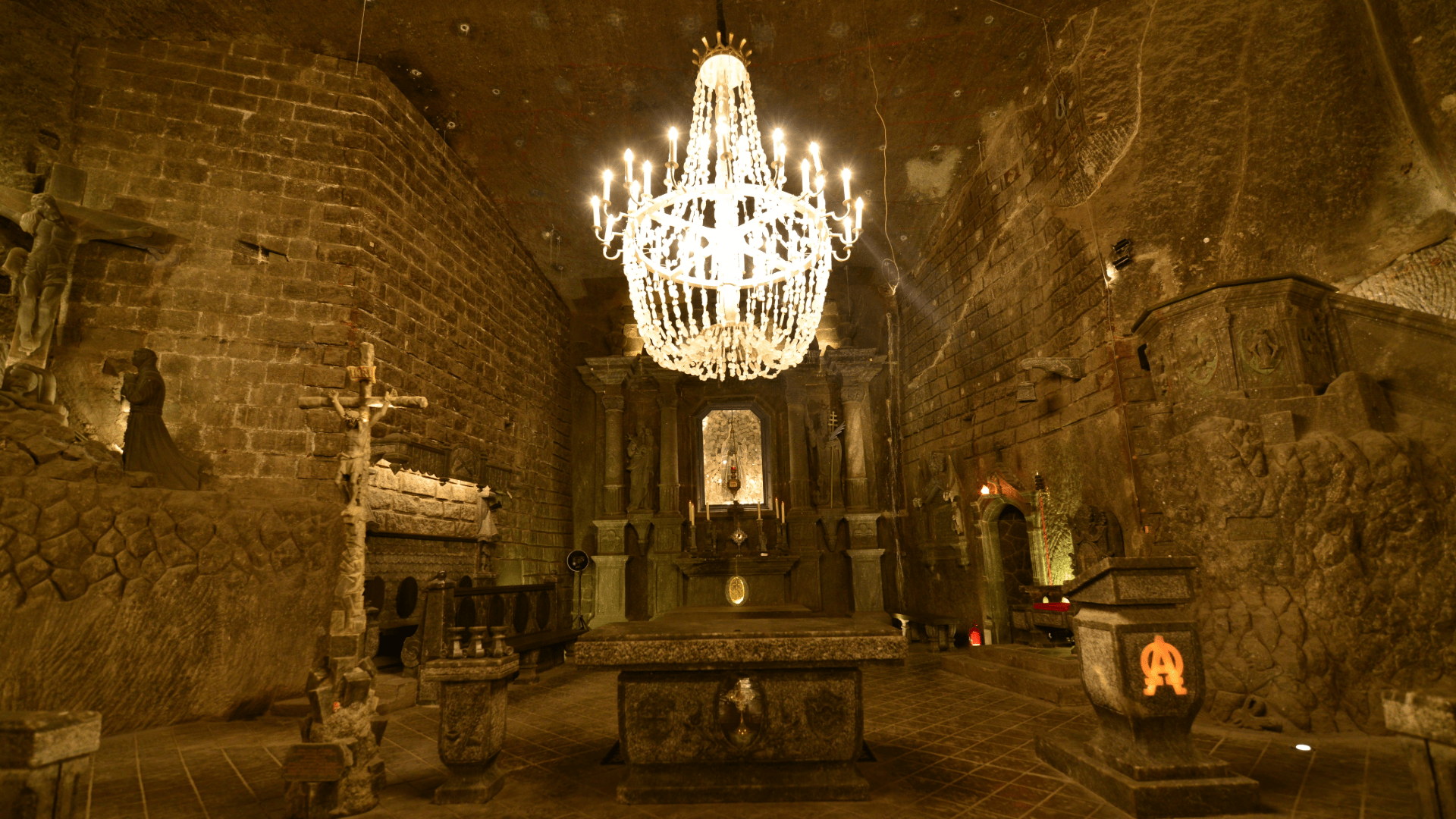
Just a short drive from Krakow lies one of Europe's most remarkable underground landmarks. Salt has been mined here continuously since the 13th century, making Wieliczka one of the oldest operating industrial sites of its kind on the continent. For hundreds of years, the mine played a crucial role in Poland's economy, generating enormous wealth for the Polish Crown and earning salt the nickname "white gold". What makes Wieliczka so extraordinary is that it isn't simply an old mine. Over generations, miners transformed the underground tunnels into something far more remarkable. As you descend beneath the surface, you'll walk through an intricate network of galleries, vast chambers, underground lakes, and beautifully carved sculptures — all created from salt. Along the way, you'll discover chapels where miners once prayed before beginning their shifts, including the breathtaking St. Kinga's Chapel, one of the world's largest underground churches.
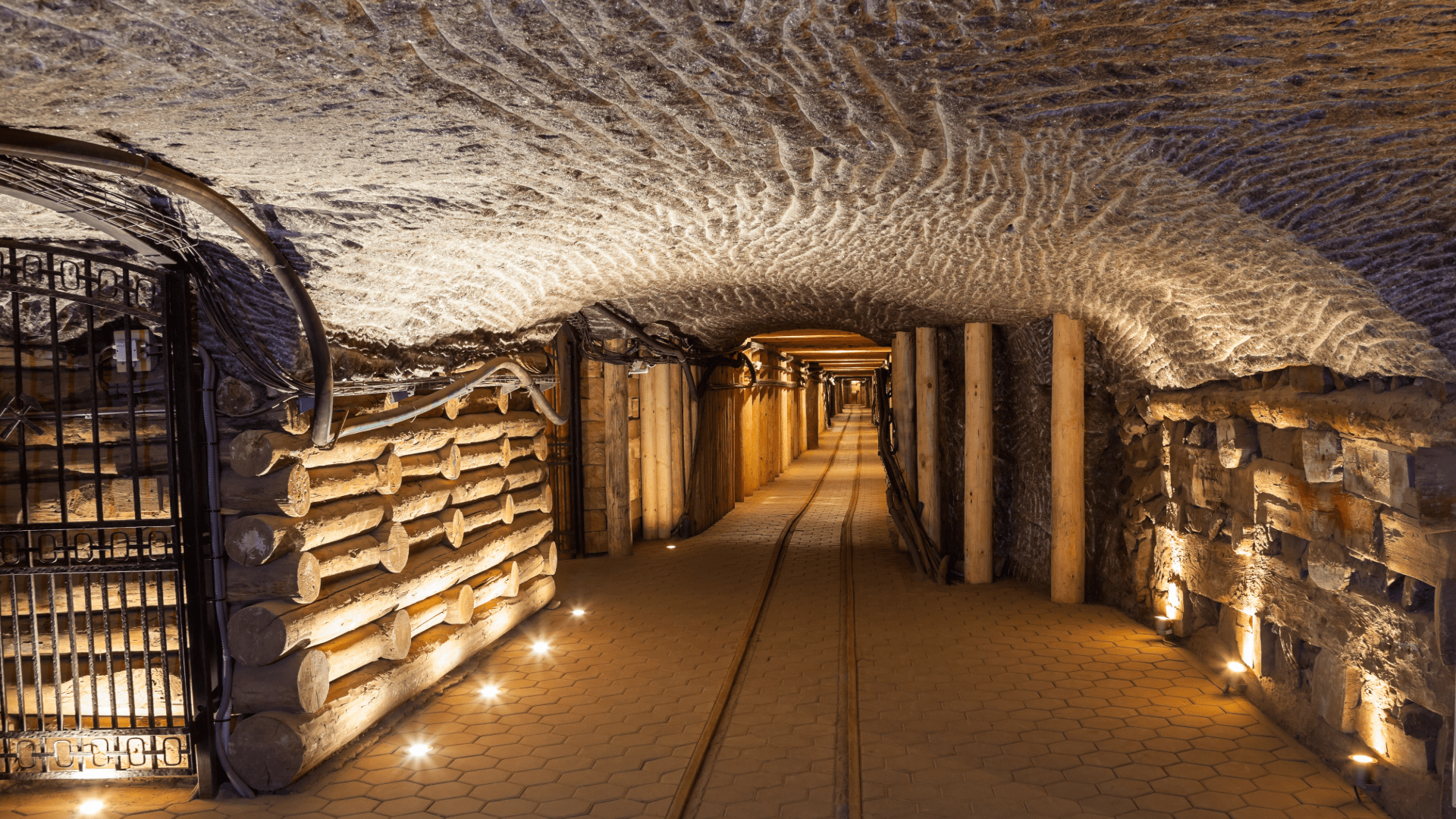
UNESCO recognises the Wieliczka salt mine not only for its historical importance but also for documenting the evolution of European mining techniques from the 13th to the 20th century. Every tunnel, wooden support, and carved chamber tells part of that story, showing how engineering, religion, art, and everyday life became intertwined deep beneath the ground. Despite its industrial origins, the atmosphere inside the mine often surprises visitors. Instead of dark, narrow tunnels, as many expect, they find enormous caverns, impressive salt carvings, shimmering underground lakes, and spaces that feel almost surreal. It's one of those places where photos rarely capture the true scale — you really have to experience it in person.
Hello Cracow's Wieliczka Salt Mine Guided Tour with Ticket & Transfer from Krakow takes around four hours in total. The drive from Krakow is relatively short, while the guided route through the mine itself usually lasts between two and three hours. Everything is organised for you, making it an easy half-day excursion that's suitable for families, couples, solo travellers, and anyone looking to experience one of Poland's most unique UNESCO World Heritage Sites. For many visitors, Wieliczka turns out to be one of the biggest surprises of their trip to Krakow — not because they expected too much, but because they had no idea just how extraordinary the underground world really is.
What are the biggest practical differences?
| Feature | Auschwitz-Birkenau | Wieliczka Salt Mine |
|---|---|---|
| Main character of the visit | Memorial and Holocaust history | Industrial heritage and underground art |
| UNESCO significance | Former German Nazi concentration and extermination camp | One of Europe’s oldest salt-mining sites |
| Hello Cracow tour duration | About 7 hours | About 4 hours |
| Emotional intensity | Very high | Low to moderate |
| Physical difficulty | Easier physically, heavier emotionally | More demanding physically |
| Key challenge | Emotional weight | Stairs, walking, underground conditions |
| Best for | History-focused travellers | Travellers seeking something visually unique |
Why is Auschwitz worth the time if you only choose one?
There are many museums and historical sites across Europe, but Auschwitz-Birkenau is one of those rare places that leaves a lasting impression long after you've returned home. It's not simply about learning new facts, but about standing in the very place where those events unfolded. Many visitors arrive already familiar with the history of the Holocaust through books, documentaries, or school lessons. Yet seeing the original camp with your own eyes is an entirely different experience. Walking through the preserved brick barracks of Auschwitz I, passing personal belongings that once belonged to prisoners, and hearing the stories behind them gives history a weight that's difficult to experience anywhere else.
That feeling becomes even more profound at Birkenau. While Auschwitz I helps explain the history through exhibitions and preserved buildings, Birkenau reveals the unimaginable scale of the camp itself. The endless rows of wooden barracks, the railway tracks leading through the entrance gate, the vast open landscape, and the remains of the gas chambers and crematoria all combine to show just how enormous the site really was. It's often here that visitors fully grasp the magnitude of what happened. If you're interested in history, Auschwitz-Birkenau is one of those places that many people believe should be visited at least once in a lifetime. It's not an easy experience, nor is it meant to be. Instead, it offers an opportunity to reflect, to learn, and to better understand one of the defining tragedies of the 20th century.
That said, it's worth knowing what to expect before you go. This isn't a casual sightseeing trip, and many visitors find it emotionally demanding. For that reason, we generally recommend the tour for visitors aged 13 and over. There are also a few practical things to keep in mind. You'll need to bring a valid passport or ID card, as identification is required for entry, and all visitors pass through security checks before entering the museum. Since a large part of the tour takes place outdoors — particularly at Birkenau — comfortable shoes and weather-appropriate clothing are strongly recommended, especially during the warmer summer months or colder winter season.

Why is Wieliczka worth the time if you only choose one?
What often gets overlooked when talking about Wieliczka is just how much human life was tied to this place. For centuries, it wasn’t just a production site, but a structured underground community with its own routines, risks, and traditions. Mining salt was physically demanding and carried constant danger, from flooding to tunnel collapses and limited oxygen deep below ground. Because of that, work underground was highly organised and passed down through generations of specialised mining families. Over time, a distinct culture developed around the mine, shaped by repetition, discipline, and a strong sense of shared identity among the miners.
Religion also played an important role in everyday life underground. Many of the chapels and religious carvings were not decorative projects in the modern sense, but places of real spiritual importance for people who spent long hours in difficult conditions beneath the surface. This is why so many of the carved spaces feel unusually personal rather than purely architectural.
Another reason Wieliczka has survived so well is that it never fully stopped functioning as an industrial site until relatively recently. Unlike many historical mines that were abandoned and later reconstructed for tourism, Wieliczka evolved gradually. When commercial extraction declined, large parts of the existing structure were preserved rather than demolished, which is why so much of the original underground layout remains intact today.
Who is each tour best for?
| Traveller type | Better fit | Why |
|---|---|---|
| First-time visitor focused on major history | Auschwitz-Birkenau | Greater historical and moral significance |
| Traveller wanting a remarkable but lighter day | Wieliczka Salt Mine | More visually surprising and less emotionally heavy |
| Visitors interested in World War II and Holocaust history | Auschwitz-Birkenau | No other nearby trip carries the same weight |
| Visitors interested in heritage, craftsmanship, and unusual spaces | Wieliczka Salt Mine | Unique underground route shaped over centuries |
| Travellers short on time but wanting one big excursion | Wieliczka Salt Mine | Shorter and easier to fit into a city stay |
| Travellers who would regret missing either | Combined tour | Efficient full-day solution |
What if you want to see both?
That’s where the combined option starts to make sense — not as a “nice extra”, but as a practical solution for people who simply don’t have enough time to do both trips separately. The
Auschwitz-Birkenau & Wieliczka Salt Mine – One-Day Trip is a long, structured day out, lasting around 11 hours. It’s designed for travellers who want to see two of southern Poland’s most important UNESCO sites without having to choose between them or worry about planning logistics on their own.
In practice, the day brings together two experiences that are completely different in tone and atmosphere, but equally significant in terms of what they represent. One part of the journey is emotionally heavy and reflective, while the other is visually striking and almost surreal in its underground scale. Put together, they create a very full, very intense day of sightseeing that covers both sides of the region’s history.
So which should you choose?
If you’re trying to decide between the two, it really comes down to what kind of experience you want your day in Krakow to be. If you’re looking for the most historically important and emotionally powerful visit, Auschwitz-Birkenau is the one that stands out. If you’d rather experience something visually striking, unexpected, and almost otherworldly, then Wieliczka Salt Mine is the better fit. And if your time is limited — and you don’t want to feel like you’ve missed out on either — then the combined tour becomes the most practical option.
There isn’t really a “better” choice here, because these places aren’t alternatives in the usual sense. They don’t compete with each other. Instead, they represent two completely different dimensions of the region’s history. Auschwitz-Birkenau is about understanding the scale of human tragedy and remembering what happened. Wieliczka, on the other hand, shows a much older story of work, resourcefulness, and long-term human effort shaped over centuries underground.
In the end, the decision is less about what is “worth it” and more about what you want to take away from the day—reflection, wonder, or a bit of both.